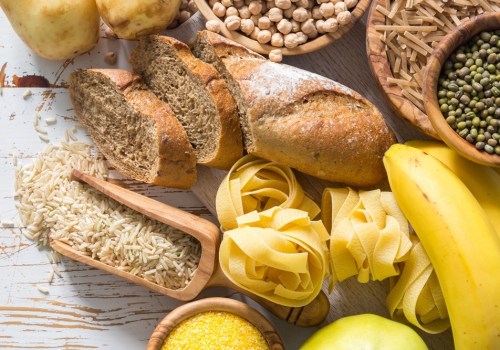
In a world where quick fixes and fad diets often dominate the conversation around weight loss, In a world where quick fixes and fad diets often dominate the conversation around weight loss, creating a balanced meal plancreating a balanced meal plan emerges as a sustainable and effective strategy for those looking to shed pounds and improve their overall health. Understanding what a balanced meal entails can transform not only your physical appearance but also your relationship with food. Imagine savoring delicious meals that nourish your body while helping you reach your weight loss goals. This article will guide you through the essential components of a well-rounded meal plan, ensuring you enjoy every bite without sacrificing flavor or satisfaction. By focusing on whole foods, appropriate portion sizes, and nutrient diversity, you will set the foundation for lasting health changes. Whether you’re a busy professional, a parent juggling multiple responsibilities, or someone simply looking to enhance your eating habits, mastering the art of meal planning can empower you to take control of your diet.
Join us as we explore practical tips and strategies that will make creating a balanced meal plan not only achievable but also enjoyable. Let’s embark on this journey towards effective weight loss together!Embarking on a weight loss journey can often feel overwhelming, especially with the myriad of diets and meal plans available today. However, the cornerstone of any successful weight loss strategy lies in creating a balanced meal plan that nourishes your body while helping you shed those extra pounds. In this guide, we will delve into the essential components of a balanced meal plan and how it can serve as a powerful tool for effective weight loss. A balanced meal plan not only ensures that you receive all the necessary nutrients but also keeps your hunger at bay, making it easier to stick to your goals.
Imagine enjoying delicious meals that are not only satisfying but also contribute to your health and wellbeing. Sounds enticing, right? That’s because it is!In the sections that follow, we will explore practical tips and strategies for creating a balanced meal plan tailored to your lifestyle and preferences. Whether you are a busy professional, a parent juggling multiple responsibilities, or someone who simply wants to take charge of their health, this article is designed to provide you with the insights you need. Let’s embark on this journey together, where healthy eating meets effective weight loss!Creating a balanced meal plan is essential for anyone aiming to achieve effective weight loss.
A well-structured meal plan not only helps manage hunger and control calorie intake but also ensures that you receive the essential nutrients your body needs. A balanced meal plan consists of various components, including macronutrients, which are proteins, carbohydrates, and fats, as well as micronutrients, such as vitamins and minerals. Understanding these components is critical in tailoring a meal plan that supports your weight loss goals. First, let’s discuss macronutrients. Proteins are vital for building and repairing tissues, and they help keep you feeling full longer.
Carbohydrates are the body's primary source of energy and are crucial for fueling daily activities and workouts. Fats, while often misunderstood, play a significant role in hormone production and nutrient absorption. For a balanced meal plan, aim to include all three macronutrients in appropriate portions. To effectively create a balanced meal plan, it is important to calculate your daily caloric needs based on your individual goals and activity levels. A simple way to estimate your caloric needs is to multiply your current weight by 15 to maintain your weight.
To lose weight, you should aim for a caloric deficit of about 500 calories per day, which typically results in a weight loss of approximately one pound per week. Adjust this number based on your specific activity level: sedentary individuals may need fewer calories, while those who are very active may require more. When it comes to portion sizes and food choices for each macronutrient, consider the following examples: For proteins, opt for lean sources like chicken breast (3 ounces), fish (4 ounces), or plant-based options like lentils (1 cup cooked). For carbohydrates, whole grains such as brown rice (1/2 cup cooked) or quinoa (1/2 cup cooked) are excellent choices, along with plenty of vegetables like broccoli (1 cup steamed) or sweet potatoes (1 medium). Healthy fats can be incorporated with foods like avocados (1/4 avocado), nuts (a small handful), or olive oil (1 tablespoon).
By mixing these food choices in appropriate portions, you can create meals that are not only satisfying but also nutritionally balanced. Another key aspect of a successful balanced meal plan is variety. Including a wide range of foods ensures nutritional adequacy and helps prevent boredom with your meals. Incorporating different types of fruits, vegetables, whole grains, and protein sources not only enhances flavor but also provides a broader spectrum of vitamins and minerals essential for overall health. Meal prepping can be an invaluable tool for those leading busy lives. Taking time on weekends or your day off to prepare meals for the week can save you time during hectic weekdays and help you stick to your balanced meal plan.
Consider preparing large batches of grains, proteins, and roasted vegetables that can be easily combined throughout the week. Using clear containers can help you portion out meals in advance, making it easy to grab and go. Despite best efforts, common challenges such as emotional eating or social situations can derail progress. It’s important to recognize triggers for emotional eating—stress, boredom, or even social pressures—and develop strategies to cope with them. For instance, practice mindful eating techniques by slowing down during meals and savoring each bite.
When faced with social situations where unhealthy foods abound, consider eating a healthy snack before heading out to reduce temptation or suggest venues that offer healthier options. We encourage readers to share their personal success stories or tips related to creating a balanced meal plan. Building a community around healthy eating for weight loss can provide support and motivation for everyone on this journey. Remember that creating a balanced meal plan tailored for effective weight loss is not just about restriction; it’s about making informed choices that nourish your body while helping you reach your goals. Creating a balanced meal plan is essential for effective weight loss. It not only supports your weight loss goals but also promotes overall health and wellness.
To understand how to create a balanced meal plan, it is crucial to delve into the components of a balanced meal, including macronutrients and micronutrients.
Macronutrients
consist of proteins, carbohydrates, and fats, which are the fundamental building blocks of our diet. Each of these macronutrients plays a specific role in our body and contributes to our overall health. Proteins are vital for muscle repair and growth, carbohydrates provide energy, and fats support cell function and hormone production.A well-rounded meal plan should include a healthy balance of all three macronutrients to ensure that you are meeting your body's needs. In addition to macronutrients, micronutrients—which include vitamins and minerals—are equally important. These nutrients support various bodily functions, including immune response, bone health, and blood pressure regulation. A diverse range of fruits, vegetables, whole grains, lean proteins, and healthy fats will help you achieve nutritional adequacy. To create your personalized meal plan, it is essential to calculate your daily caloric needs based on individual goals and activity levels. Start by determining your Basal Metabolic Rate (BMR), which is the number of calories your body needs to maintain basic physiological functions at rest.
You can use the Mifflin-St Jeor equation or an online calculator to estimate your BMR. Once you have this number, factor in your activity level to find your Total Daily Energy Expenditure (TDEE). This calculation will help you establish how many calories you need to consume daily for weight maintenance, weight loss, or weight gain. For effective weight loss, aim for a calorie deficit—typically around 500-1000 calories less than your TDEE—to lose about 1-2 pounds per week safely. Remember that every individual is unique; what works for one person may not work for another.
Therefore, it’s important to adjust portion sizes and food choices based on your specific caloric needs. When planning your meals, consider portion sizes for each macronutrient. For instance, a serving of protein might be around 3-4 ounces of chicken or fish; for carbohydrates, aim for 1/2 to 1 cup of cooked grains or starchy vegetables; and for fats, include about 1-2 tablespoons of olive oil or nuts. Incorporating a variety of foods within these categories will not only keep meals interesting but will also ensure that you receive a wide array of nutrients. Meal prepping can be a game-changer for those with busy schedules. Set aside time once a week to prepare meals in advance.
This could involve cooking proteins in bulk, chopping vegetables for easy access throughout the week, or preparing entire meals that can be stored in the fridge or freezer. Having healthy meals ready to go reduces the temptation to reach for convenience foods that may not align with your weight loss goals. Common challenges such as emotional eating or navigating social situations can derail even the best meal plans. To combat emotional eating, try identifying triggers and developing alternative coping strategies such as journaling, exercising, or practicing mindfulness techniques. When faced with social situations, don’t hesitate to communicate your dietary preferences with friends or family; most people will be understanding.
Additionally, consider choosing healthier options when dining out or planning ahead by reviewing menus beforehand. As you embark on creating your balanced meal plan for effective weight loss, remember that building a community can provide support and motivation. We invite you to share your personal success stories or tips in the comments below. Engaging with others on similar journeys can offer encouragement and insights that enrich everyone’s experience.
Understanding Macronutrients and Micronutrients
Macronutrients are the nutrients that our bodies need in large amounts to function effectively. They include carbohydrates, proteins, and fats.Each of these macronutrients plays a crucial role in maintaining overall health and supporting weight loss.
Carbohydrates
are the body’s primary energy source. They provide fuel for daily activities and exercise. Choosing complex carbohydrates, such as whole grains, fruits, and vegetables, can help manage hunger and stabilize blood sugar levels, which is essential for effective weight loss.Proteins
are vital for building and repairing tissues. They also play a significant role in satiety, helping you feel full longer.Including lean protein sources, such as chicken, fish, legumes, and low-fat dairy in your meal plan can aid in muscle preservation during weight loss.
Fats
, although often misunderstood, are essential for hormone production and nutrient absorption. Healthy fats from sources like avocados, nuts, seeds, and olive oil should be included in a balanced meal plan to promote overall health and assist in weight management.Micronutrients
, on the other hand, are required in smaller amounts but are equally important for maintaining health. These include vitamins and minerals that support various bodily functions, including metabolism and immune function. For instance, Vitamin D is crucial for calcium absorption, while B vitamins play a role in energy production. A well-balanced meal plan rich in both macronutrients and micronutrients ensures that your body receives the essential components it needs to function optimally while working towards weight loss goals.By understanding how these nutrients work together, you can create meals that not only support weight loss but also enhance overall health.
Overcoming Challenges in Meal Planning
Creating a balanced meal plan is a beneficial strategy for weight loss, but it often comes with its own set of challenges. Many individuals encounter obstacles that can hinder their ability to stick to their meal plan.Common obstacles
include time constraints, lack of meal prep skills, limited budget, and difficulty in finding healthy options. One of the most prevalent challenges is time constraints. With busy schedules, it can be hard to find time to prepare healthy meals consistently.A solution to this is to dedicate a specific day each week for meal prep. By preparing multiple meals at once and storing them in the refrigerator or freezer, individuals can save time during the week and ensure they have nutritious options readily available. Another obstacle is the lack of meal prep skills. Some people may feel overwhelmed by the idea of cooking or may not know where to start. To overcome this, consider starting with simple recipes that require minimal ingredients and cooking techniques.
Online resources, cooking classes, and meal planning apps can also provide guidance and inspiration. Budget constraints can also pose a challenge when trying to adhere to a balanced meal plan. Healthy foods can sometimes seem more expensive than processed options. However, planning meals around seasonal produce, buying in bulk, and utilizing sales can help manage costs effectively. Additionally, focusing on whole foods rather than pre-packaged items can lead to significant savings. Finally, some individuals may struggle with finding healthy options while dining out or on the go.
In such situations, it is useful to familiarize oneself with menu options and make informed choices. Look for meals that are grilled rather than fried, opt for salads with lean proteins, and be mindful of portion sizes. Preparing snacks ahead of time can also prevent the temptation of unhealthy convenience foods. By identifying these common obstacles and implementing practical solutions, individuals can successfully navigate the challenges of meal planning and stay on track toward their weight loss goals.
Calculating Your Daily Caloric Needs
To create a balanced meal plan for effective weight loss, the first step is understanding how to calculate your daily caloric needs. This is crucial because consuming the right number of calories helps ensure that you are losing weight in a healthy manner, while still providing your body with the essential nutrients it requires. Your caloric needs depend on several factors including your age, weight, height, and activity level.To begin, you can use the Mifflin-St Jeor equation, which is a widely accepted method for estimating your daily caloric intake:For men: Caloric Needs = 10 x weight(kg) + 6.25 x height(cm) - 5 x age(years) + 5For women: Caloric Needs = 10 x weight(kg) + 6.25 x height(cm) - 5 x age(years) - 161Once you have calculated your Basal Metabolic Rate (BMR) using the formula above, the next step is to adjust it based on your activity level. Multiply your BMR by the appropriate activity factor:
- Sedentary: BMR x 1.2 (little or no exercise)
- Lightly active: BMR x 1.375 (light exercise/sports 1-3 days/week)
- Moderately active: BMR x 1.55 (moderate exercise/sports 3-5 days/week)
- Very active: BMR x 1.725 (hard exercise/sports 6-7 days a week)
- Super active: BMR x 1.9 (very hard exercise/physical job & exercise 2x/day)
Building Your Balanced Meal Plan
Creating a balanced meal plan is essential for effective weight loss. It helps you manage hunger, control calorie intake, and ensure you get the necessary nutrients your body needs.Here’s a step-by-step guide to building your weekly meal plan.
Step 1: Determine Your Caloric Needs
Before you start planning your meals, it’s crucial to understand how many calories you should consume daily for weight loss. Use an online calculator to find your Total Daily Energy Expenditure (TDEE) and subtract 500-750 calories for a safe weight loss of about 1-2 pounds per week.Step 2: Choose Your Macronutrient Ratios
A balanced meal should include a mix of carbohydrates, proteins, and fats. A common ratio for weight loss is 40% carbohydrates, 30% protein, and 30% healthy fats. Adjust these ratios based on your dietary preferences and nutritional needs.Step 3: Plan Your Meals
Start by planning your meals for the week.Aim for three main meals (breakfast, lunch, and dinner) and two snacks each day. Here are examples of balanced meals:
- Breakfast: Oatmeal topped with fresh berries and a spoonful of almond butter.
- Lunch: Grilled chicken salad with mixed greens, cherry tomatoes, cucumbers, quinoa, and a vinaigrette dressing.
- Dinner: Baked salmon with steamed broccoli and sweet potato.
- Snacks: Greek yogurt with honey and nuts or carrot sticks with hummus.
Step 5: Prep Your Meals
Meal prepping can save time and help you stay on track. Set aside a few hours each week to prepare your meals in advance.Cook large batches of proteins, grains, and vegetables that can be mixed and matched throughout the week. By following these steps, you can create a balanced meal plan that supports your weight loss goals while providing variety and satisfaction in your diet.
Overcoming Challenges in Meal Planning
Creating a balanced meal plan is a vital step towards effective weight loss, but many individuals encounter challenges along the way. Understanding these obstacles is crucial to developing strategies that will help you stay on track. One of the most common challenges is time constraints. With busy schedules, finding time to plan and prepare meals can feel overwhelming. To combat this, consider dedicating a specific time each week to meal prep.Batch cooking on weekends or choosing quick and easy recipes can save time during the week. Another frequent obstacle is food variety. People often find themselves repeating the same meals, leading to boredom and a lack of motivation. To overcome this, try incorporating new recipes or ingredients into your meal plan regularly. Explore seasonal fruits and vegetables or try different cooking methods to keep meals interesting.
Budget
can also pose a challenge when planning balanced meals.Healthy ingredients can sometimes be more expensive, but meal planning allows you to buy in bulk and take advantage of sales. Focus on whole foods like grains, beans, and seasonal produce, which are often budget-friendly and nutritious. Finally, cravings and emotional eating are significant hurdles for many individuals. It’s essential to recognize triggers that lead to unhealthy snacking or overeating. Keep healthy snacks readily available and practice mindful eating techniques to help manage cravings and stay focused on your weight loss goals. By identifying these common challenges and implementing practical solutions, you can create a sustainable and effective meal plan that supports your weight loss journey.
Meal Prep Tips for Success
Meal prepping is a crucial strategy in maintaining a balanced meal plan and ensuring success in your weight loss journey.By dedicating some time to prepare your meals in advance, you can save time during busy weekdays and reduce the temptation to make unhealthy food choices. Here are some practical tips for successful meal prepping:1.Plan Your Meals: Start by outlining your meals for the week. Select recipes that are nutritious, easy to prepare, and align with your weight loss goals. Make sure to include a variety of proteins, whole grains, fruits, and vegetables to keep your meals exciting and satisfying.
2.Create a Shopping List:
Once you’ve planned your meals, create a detailed shopping list based on the ingredients you need. This will help you avoid impulse purchases and ensure you have everything on hand when it’s time to prep.3.Set Aside Time for Meal Prep:
Choose a specific day and time each week dedicated to meal prepping.This could be on a Sunday afternoon or any other day that works best for your schedule. Block out this time on your calendar to treat it as an important appointment.
4.Invest in Quality Containers:
Having good quality meal prep containers is essential for keeping your meals fresh and organized. Opt for BPA-free containers that are microwave and dishwasher safe. Consider using clear containers to easily see what meals you have prepared.5.Batch Cook Staples:
Prepare large batches of staple foods like brown rice, quinoa, grilled chicken, or roasted vegetables.These can serve as the base for multiple meals throughout the week, making it easier to assemble your dishes quickly.
6.Portion Your Meals:
After cooking, portion out your meals into individual servings. This not only makes it easier to grab-and-go but also helps control portion sizes, ensuring you stick to your calorie goals.7.Label Your Meals:
Labeling your meal containers with the contents and the date will help you keep track of what you have and when it needs to be consumed by. This can prevent food waste and ensure you're eating fresh, healthy meals.8.Keep Snacks on Hand:
In addition to meal prepping your main dishes, prepare healthy snacks such as cut-up fruits and vegetables, yogurt, or nut mixes. Having healthy snacks readily available will help curb hunger between meals and maintain energy levels. By incorporating these meal prep tips into your routine, you'll set yourself up for success in following a balanced meal plan.Not only will you save time during the week, but you'll also find it easier to stick to your weight loss goals.
Understanding Macronutrients and Micronutrients
Macronutrients and micronutrients are essential components of our diet that play crucial roles in maintaining overall health and supporting weight loss. Understanding these nutrients is vital for creating a balanced meal plan that aids in achieving your weight loss goals.Macronutrients
are the nutrients required by the body in large amounts. They include carbohydrates, proteins, and fats. Each macronutrient serves a specific purpose:- Carbohydrates: These are the body's primary source of energy.
Choosing complex carbohydrates, such as whole grains, fruits, and vegetables, can help keep you fuller for longer while providing essential nutrients.
- Proteins: Essential for building and repairing tissues, proteins also play a key role in weight loss by promoting satiety. Including lean protein sources like chicken, fish, beans, and legumes in your meal plan can help control hunger and prevent overeating.
- Fats: Despite their reputation, healthy fats are crucial for hormone production, nutrient absorption, and overall health. Incorporating sources of unsaturated fats, such as avocados, nuts, and olive oil, can enhance the flavor of meals while keeping you satisfied.
- Vitamins: These organic compounds assist in energy production, immune function, and skin health.
For instance, vitamin C boosts immunity, while B vitamins are vital for energy metabolism.
- Minerals: Inorganic elements like calcium, potassium, and magnesium support bone health, fluid balance, and muscle function. Ensuring adequate intake of these minerals is important in any balanced meal plan.
Calculating Your Daily Caloric Needs
Determining your daily caloric needs is a crucial first step in creating a balanced meal plan tailored for effective weight loss.Caloric needs vary from person to person and are influenced by several factors, including age, weight, height, and activity level. To start, you can use the Mifflin-St Jeor Equation, which is a widely accepted method for calculating your Basal Metabolic Rate (BMR). This equation estimates the number of calories your body needs at rest to maintain basic physiological functions. For men, the formula is: BMR = 10 × weight (kg) + 6.25 × height (cm) - 5 × age (years) + 5. For women, it is: BMR = 10 × weight (kg) + 6.25 × height (cm) - 5 × age (years) - 161.Once you have calculated your BMR, the next step is to factor in your activity level to find your total daily energy expenditure (TDEE).
Multiply your BMR by the appropriate activity factor:
- Sedentary (little or no exercise): BMR × 1.2
- Lightly active (light exercise/sports 1-3 days/week): BMR × 1.375
- Moderately active (moderate exercise/sports 3-5 days/week): BMR × 1.55
- Very active (hard exercise/sports 6-7 days a week): BMR × 1.725
- Super active (very hard exercise/sports & a physical job): BMR × 1.9
Meal Prep Tips for Success
Meal prepping is an essential strategy for anyone looking to stick to a balanced meal plan, especially when aiming for effective weight loss.Meal prep
not only saves time during the busy week but also helps you stay committed to your dietary goals.Here are some practical tips to ensure your meal prepping is a success.
1.Plan Your Meals:
Start by planning your meals for the week. Choose recipes that align with your weight loss goals and incorporate a variety of food groups. This ensures you're getting all the essential nutrients your body needs while keeping your meals interesting.2.Create a Shopping List:
Once you have your meals planned, make a detailed shopping list. This will help you avoid impulse purchases and ensure you have everything you need on hand for your meal prep day.3.Set Aside Time for Meal Prep:
Dedicate a specific day and time each week to meal prep.Whether it’s Sunday afternoon or Wednesday evening, having a set schedule makes it easier to stay consistent.
4.Batch Cooking:
Consider batch cooking staple items like grains, proteins, and roasted vegetables. This allows you to mix and match ingredients throughout the week, making it easier to create balanced meals quickly.5.Portion Control:
Invest in good quality containers that allow you to portion out your meals. Proper portion sizes can help manage calorie intake and prevent overeating.6.Keep It Simple:
Don’t overcomplicate your meals. Choose simple recipes that require minimal ingredients and steps, making it easier to stick with your plan.7.Utilize Freezer Space:
If you make more than you can eat in a week, freeze portions for later use.This not only prevents food waste but also gives you healthy options on busy days.
8.Stay Organized:
Label your containers with the meal name and date prepared. This helps you keep track of what’s available and ensures you eat everything before it goes bad.9.Prep Snacks:
Don’t forget about healthy snacks! Prepping fruits, veggies, or nuts in advance can help curb hunger between meals and keep you on track with your calorie goals.10. Review and Adjust:
At the end of each week, review what worked well and what didn’t in your meal prep routine. Adjust as necessary to make it more efficient for the following week. By implementing these meal prep tips, you'll find it much easier to adhere to your balanced meal plan, ultimately aiding in your weight loss journey.Building Your Balanced Meal Plan
Creating a balanced meal plan is essential for effective weight loss, as it helps you manage your hunger, control calorie intake, and ensure you get the necessary nutrients. Follow these step-by-step instructions to build a weekly meal plan that supports your weight loss goals.Step 1: Assess Your Nutritional Needs
- Begin by determining your daily caloric needs based on your age, gender, weight, height, and activity level.Use an online calculator or consult with a nutritionist to find out how many calories you should consume for weight loss.
Step 2: Choose Your Macronutrient Ratios
- A balanced meal plan typically includes carbohydrates, proteins, and fats. A common ratio is 40% carbohydrates, 30% protein, and 30% fat. Adjust these ratios based on your personal preferences and dietary requirements.Step 3: Create a Weekly Template
- Design a simple table with days of the week at the top and meals (breakfast, lunch, dinner, and snacks) down the side. This will serve as the foundation for your meal planning.Step 4: Fill in Your Meals
- Start filling in your template with a variety of balanced meals.Here are some examples:Breakfast: Overnight oats topped with berries and a sprinkle of nuts; scrambled eggs with spinach and whole-grain toast.
Lunch:
Quinoa salad with chickpeas, cucumbers, tomatoes, and a lemon vinaigrette; grilled chicken wrap with mixed greens and avocado.Dinner:
Baked salmon with steamed broccoli and sweet potatoes; stir-fried tofu with mixed vegetables over brown rice.Snacks:
Greek yogurt with honey and almonds; carrot sticks with hummus.Step 5: Prep Ahead
- To make sticking to your meal plan easier, consider prepping meals in advance. Cook large batches of grains or proteins and portion them out for the week. Chop vegetables and store them in the fridge for quick access.Step 6: Stay Flexible
- While it's important to have a plan, allow yourself some flexibility. If you have a craving or an unexpected event comes up, it’s okay to swap meals or adjust portions as needed.Conclusion
- Following these steps will help you create a balanced meal plan tailored for weight loss.Remember that consistency is key, and having a well-structured meal plan will support your journey towards healthier eating habits and effective weight loss. In conclusion, creating a balanced meal plan is a vital step toward achieving your weight loss goals. By understanding macronutrients and micronutrients, you can ensure that your meals provide the essential nutrients your body needs while helping to manage hunger and control calorie intake. Calculating your daily caloric needs allows you to tailor your meals for effective weight loss, while building your balanced meal plan ensures that you are eating a variety of foods that keep you satisfied. Additionally, incorporating meal prep tips can streamline your cooking process and make it easier to stick to your plan. Remember that overcoming challenges in meal planning is part of the journey; by staying adaptable and committed, you can find strategies that work for you. As you embark on this journey, remember that consistency is key.
Small, sustainable changes in your eating habits can lead to significant results over time. Start implementing your balanced meal plan today, and take the first step towards a healthier, happier you!In conclusion, creating a balanced meal plan is an essential step in achieving your weight loss goals. By understanding macronutrients and micronutrients, calculating your daily caloric needs, and following practical tips for meal prep, you can build a plan that not only satisfies your hunger but also nourishes your body. Remember, consistency is key; small, manageable changes in your eating habits can lead to significant results over time.
We encourage you to start implementing your balanced meal plan today and enjoy the journey towards a healthier you.